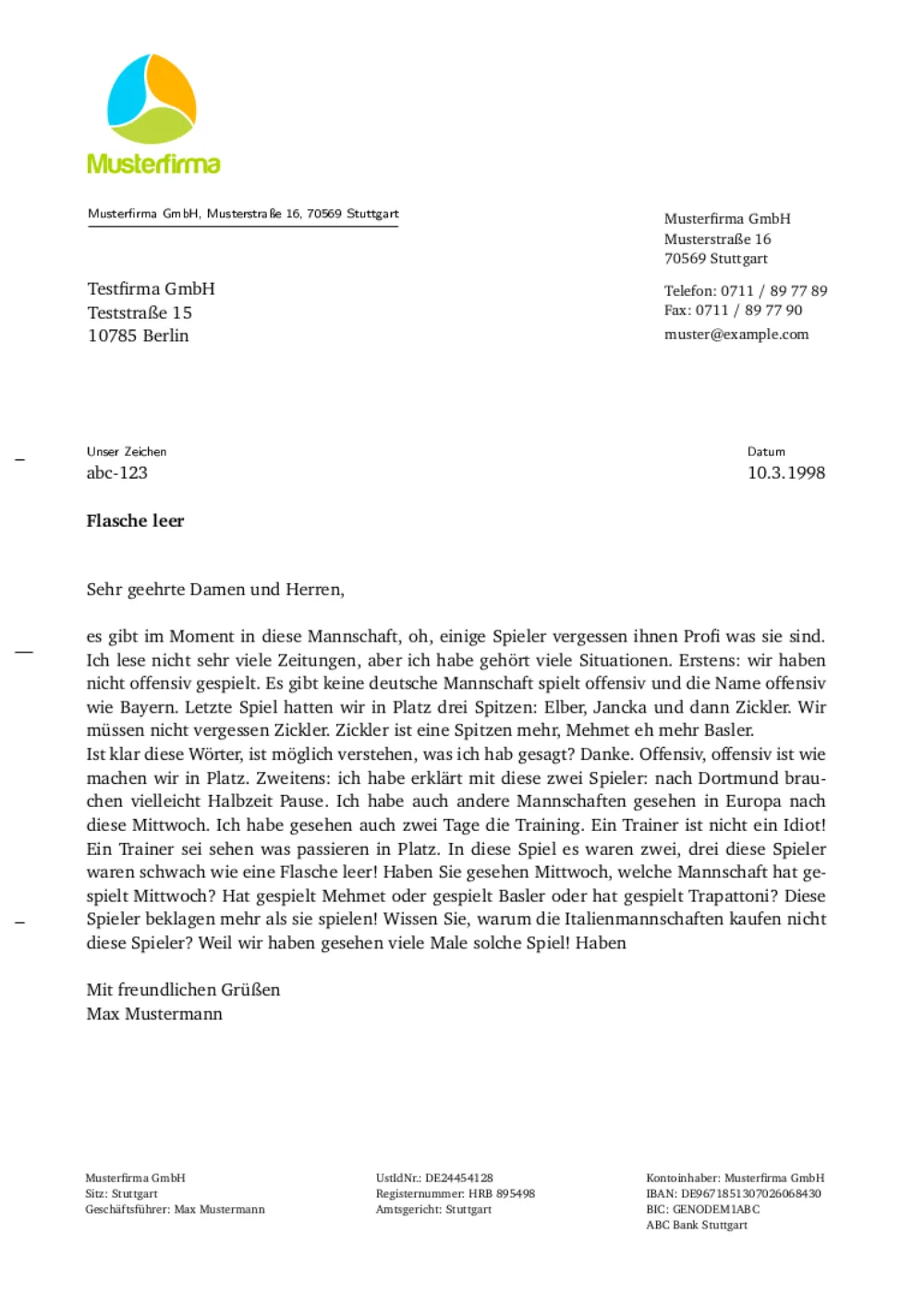
In German business practice, overdue payments are handled through a structured three-stage reminder process — from the first polite Zahlungserinnerung to the final Mahnung that signals potential legal proceedings.
Zahlungserinnerung vs. Mahnung: What Is the Difference?
In everyday German usage, both Zahlungserinnerung and Mahnung refer to a document that asks a debtor to pay an outstanding amount. In legal terms, however, they are not the same. A Zahlungserinnerung is an informal reminder — it does not put the debtor in default (Schuldnerverzug) and carries no legal consequences. A Mahnung, once received, starts the clock on default interest and can form part of the legal record if the matter proceeds to court.
In practice, many businesses use all three stages as Mahnungen and simply adjust the tone from friendly to formal across the sequence.
The Three-Stage Process
Stage 1: Zahlungserinnerung (Payment Reminder)
The first notice is typically sent three to five business days after the original payment deadline has passed. The tone is neutral and assumes the non-payment is an oversight. The letter should include:
- Reference to the original invoice (invoice number and date).
- The outstanding amount.
- A new payment deadline — typically 7 to 14 days from the date of the reminder.
- Payment details (IBAN, BIC, bank name).
No additional fees or interest are charged at this stage. The tone remains collegial, and the letter is usually short — two to three paragraphs at most.
Stage 2: Erste Mahnung (First Formal Reminder)
If the first reminder produces no response, the first formal Mahnung follows, typically one to two weeks later. At this stage, the creditor is entitled to charge Verzugszinsen (default interest). The statutory rate in Germany for business-to-business transactions is the applicable base rate set by the European Central Bank plus eight percentage points.
The second-stage letter should include:
- All the elements from stage 1.
- A clear statement that the debtor is now in default.
- The calculated default interest to date.
- A new, shorter payment deadline — typically 7 days.
- A note that further action may follow if payment is not received.
Stage 3: Letzte Mahnung (Final Notice)
The final notice is the last communication before legal action. The tone shifts to unambiguous and formal. The letter explicitly states that if the full amount — including accrued interest — is not received by the stated deadline, the creditor will initiate court proceedings (Mahnverfahren or civil litigation). In Germany, this is not an empty threat: the court-based Mahnverfahren is a relatively straightforward procedure and is regularly used for unpaid business invoices.
What Happens After the Third Reminder
If the debtor does not pay after the final notice, the creditor can file for a court order through the gerichtliches Mahnverfahren. This is an automated process handled by the courts, which issues a Mahnbescheid (payment order) to the debtor. The debtor then has two weeks to object (Widerspruch einlegen) or pay. If no objection is filed and no payment is made, a Vollstreckungsbescheid (enforcement order) is issued, which can be used to instruct a bailiff.
Practical Tips for Setting Clear Payment Terms
The most effective way to reduce the need for reminders is to set unambiguous payment terms on every invoice. State the exact due date (not just "within 30 days"), include all bank details, and specify whether early payment discounts apply. In Germany, it is also standard practice to refer to your Allgemeine Geschäftsbedingungen (general terms and conditions) on invoices, which should themselves specify default interest terms consistent with the legal minimum.
Templates for all three stages of the payment reminder process are available at smartdexblog.de. For further reading on German debt collection law, § 286 BGB at gesetze-im-internet.de sets out the legal basis for default and default interest in detail.